
Cold weather reduces range for any EV. That is normal physics, not a flaw. You can still keep trips short, warm, and on time with a few easy habits.
Kia EV6 Range in New England Winter: What To Expect
h2>Why range drops in the cold
- Cabin heat draws power, which lowers miles per charge.
- Cold batteries accept charge more slowly on DC fast chargers.
- Tire pressure falls with temperature, which hurts efficiency and grip.
Habits that work here
- Preheat while plugged in so cabin heat uses grid power, not the pack.
- Use seat and wheel heaters more than full‑cabin heat.
- Plan earlier, shorter DC fast‑charge stops on very cold days.
- Mount true winter tires and check PSI weekly.
Trusted, verifiable resources
A simple winter route
On a Hartford run, leave with a warm cabin, use steady speeds, and stop for a short fast charge while you grab coffee. The car stays warm and you save time.

Numbers in context
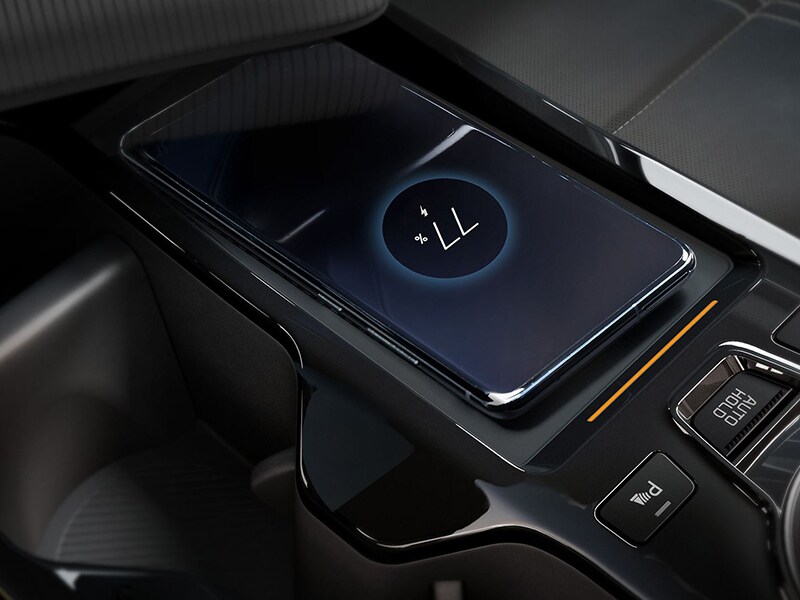
Expect a bigger range hit on short trips because the cabin needs to warm up each time. Long drives use a steadier slice of heat per mile. Keep speeds moderate. Aerodynamic drag rises fast with speed and cold air is more dense. That is why steady cruising helps.
What to pack
- Gloves and a compact inflator.
- A soft snow brush and small shovel.
- Windshield fluid for sub‑zero temps.
Service notes
Ask for a battery health check at regular intervals. Update software when prompted. If charge speeds seem slow on a warm day, log a note with time, station, and state of charge so your service team can help.
It dont take heroics to feel in control during winter. You wont lose your schedule when you set these habits early.
Planning a ski weekend
Leave with a warm cabin and a high state of charge. Stop for a short fast charge near a coffee stop, not after the mountain when lines are long. Check tire pressure in the morning cold. Brush sensors clean before you leave the lot.
Links you can save
Myth vs fact
- Myth: EVs cannot handle winter. Fact: They work well with the right tires and a clear plan.
- Myth: Fast charging is useless in the cold. Fact: It works; it is just slower. Plan a bit more time.
Case study, simple numbers
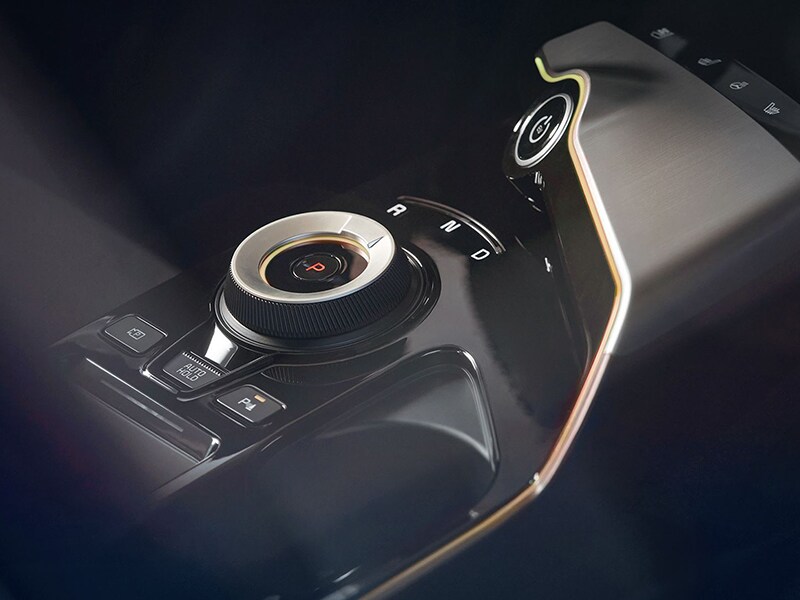
On a 160‑mile weekend trip at 25°F, plan one short fast‑charge stop around the midpoint. Leave near 90%, arrive near 20%. Warm the cabin while plugged in before departure. Keep speed steady. You will stay warm and on time.
Quick FAQ
How much range do I lose? It varies by route and temperature. Plan for a noticeable drop, then adjust after a week of data from your own commute.
Do I need special gear? No. Good tires and a simple charging plan cover most needs. Keep a small kit in the cargo area and you are set.